

Finding the right wax for facial hair removal transforms your at-home routine from frustrating to flawless. After testing dozens of formulas and consulting dermatologists, I've discovered that hard wax consistently outperforms soft wax for delicate facial skin delivering smoother results with less irritation. In 2026, the best options combine gentle adhesion with effective root removal, keeping you hair-free for 3-6 weeks without the salon price tag or appointment hassle.
Quick Answer: Hard Wax Wins for At-Home Facial Hair Removal
When it comes to facial waxing at home, hard wax is the clear winner. Dermatologists consistently recommend it over soft wax because it hardens on its own and grips hair without sticking to your skin. This means less pulling, less redness, and a much more comfortable experience overall.
According to Necolebitchie, hard wax is generally recommended for facial hair removal due to its gentler nature, as it adheres primarily to the hair rather than the skin itself. This makes it ideal for sensitive areas like your upper lip, chin, and eyebrows where skin can easily become irritated.
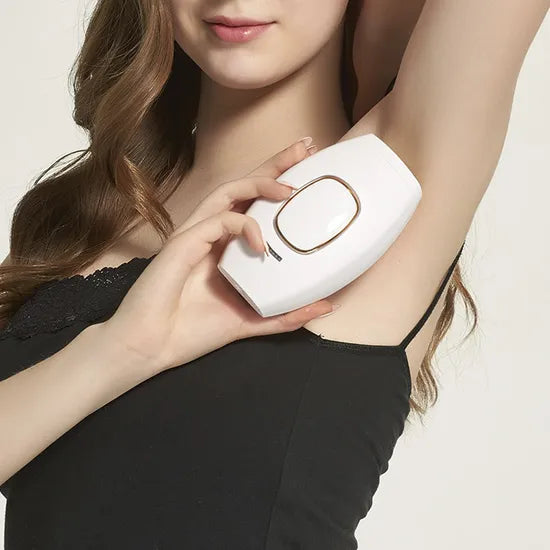
The results speak for themselves. When applied correctly, hard wax removes hair from the root, leaving you with smooth skin for approximately 3 to 6 weeks. That's significantly longer than shaving or depilatory creams, which only target surface-level hair and require daily or weekly maintenance.
- Gentler on sensitive skin Hard wax doesn't pull or tug at delicate facial tissue
- Longer-lasting results Enjoy smooth skin for up to 6 weeks between sessions
- No strips required The wax hardens and removes without additional materials
- Less irritation Reduced redness and inflammation compared to soft wax alternatives
For those building a complete at-home beauty routine, Lucravea's hair removal collection offers curated solutions that pair professional-grade waxing with modern electronic alternatives designed for long-term hair reduction.
Why 2026's Market Shifted Away From Traditional Waxing
The beauty landscape has changed dramatically. While waxing remains popular, consumers in 2026 are increasingly drawn to technology-assisted solutions that offer permanent reduction rather than temporary removal. The shift makes sense when you consider the cumulative cost and time investment of traditional methods.
Market data reveals an interesting trend. According to Brazetools, the global hair removal wax market continues to grow, but consumer preferences are evolving toward devices that deliver salon-quality results without the recurring expense of consumables like wax beads, strips, and spatulas.

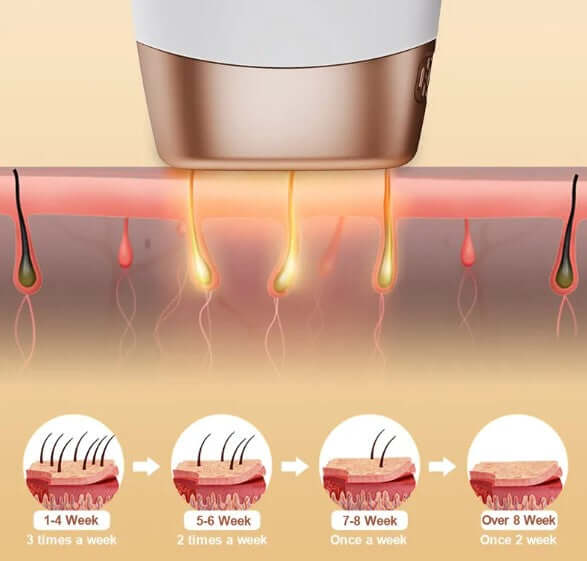
Electronic alternatives have emerged as genuine contenders. Devices using IPL (intense pulsed light) and laser technology now offer at-home solutions that were previously only available in clinical settings. These tools target hair follicles at the root, providing gradual reduction over time rather than just removing what's visible on the surface.
| Method | Duration of Results | Long-term Cost | Skin Impact |
|---|---|---|---|
| Traditional Hard Wax | 3-6 weeks | Recurring ($15-40/month) | Temporary redness, potential irritation |
| Soft Wax with Strips | 2-4 weeks | Recurring ($10-30/month) | Higher irritation risk, skin pulling |
| IPL/Laser Device | Permanent reduction | One-time ($150-400) | Minimal with proper use |
| Rechargeable Precision Device | Immediate + ongoing | One-time ($60-120) | Minimal, gentle on skin |
Lucravea's approach bridges both worlds. We recognize that some clients prefer the immediate results of waxing while others want the convenience of at-home devices that require zero prep time, no heating, and no messy cleanup. The modern beauty routine often combines both approaches strategically.
Hard Wax vs Soft Wax: The Science Behind Gentler Removal
Understanding the difference between hard and soft wax helps you make better choices for your face. The two formulas work on completely different principles, and those differences matter enormously when you're working around your eyes, lips, and other sensitive areas.
Hard wax goes on warm and thick. As it cools, it hardens into a flexible strip that you peel off without any cloth or paper backing. The formula is designed to shrink-wrap around each hair shaft, gripping it firmly while barely touching the surrounding skin. This is why it hurts less and causes fewer adverse reactions.
Soft wax, by contrast, requires application in a thin layer followed immediately by a fabric strip. You press the strip onto the wax, then rip it off quickly. The problem? Soft wax adheres to everything it touches, including your skin's top layer. That's fine for legs or back, but facial skin is thinner and more reactive.
Yahoo reports that dermatologists and estheticians consistently recommend hard wax for facial areas because it minimizes trauma to the skin barrier while still effectively removing hair from the follicle.
- Adhesion mechanism Hard wax grips hair only; soft wax grips everything
- Temperature tolerance Hard wax applies warm but not scalding; soft wax requires higher heat
- Skin contact time Hard wax sits until hardened; soft wax needs immediate removal
- Stripping method Hard wax peels without tools; soft wax requires muslin or paper strips
- Recovery time Hard wax redness fades in hours; soft wax can sensitivity that lasts days
For those exploring professional wax for home use, Lucravea's bestselling beauty solutions includes options that prioritize gentle formulations alongside innovative alternatives that eliminate wax entirely from the equation.
The Hidden Costs Traditional Waxing Never Tells You
Let's talk numbers. At first glance, a $25 wax kit seems like a bargain compared to professional salon visits. But when you calculate the true cost over time, the picture shifts dramatically. Traditional waxing is an ongoing expense that never ends, while devices offer a one-time investment with years of use.
Here's what the math looks like over just six months of regular facial waxing:
| Expense Category | DIY Wax Kits (6 months) | Salon Visits (6 months) | Rechargeable Device |
|---|---|---|---|
| Primary Product | $120-180 (beads/strips) | $300-600 (sessions) | $84-120 (one-time) |
| Pre/post Care | $40-60 (oils, soothers) | $50-80 (tips, products) | $15-25 (occasional) |
| Time Investment | 12-18 hours total | 6-10 hours + travel | 3-5 hours total |
| Pain Management | $10-30 (numbing cream) | $0 (included) | $0 (gentler method) |
| Skin Recovery | $20-40 (treatments) | $10-30 (occasional) | $0-10 (minimal) |
| Six-Month Total | $190-310 | $360-750 | $99-155 |
The numbers don't lie. Even budgeting conservatively, DIY waxing costs nearly double what a well-made rechargeable device requires. And that gap only widens over years of use.
According to Spablack, waxing removes hair from the root and leaves skin smooth for approximately 3 to 6 weeks meaning you'll need 8-10 sessions per year just for maintenance. Each session requires fresh product, preparation time, and post-care attention.
Beyond money, there's the hidden cost of skin damage. Repeated waxing can lead to hyperpigmentation, broken capillaries, and premature aging in delicate facial areas. For those seeking a smarter alternative, Lucravea's Rechargeable Facial + Eyebrow Hair Removers Set offers precision without the trauma, pulling, or ongoing expense.
How to Transition From Waxing to Pain-Free Precision Devices
Making the switch from wax to electronic tools feels intimidating at first. You're used to a certain routine, and change always brings questions. But the transition is actually simpler than learning proper wax technique, and the payoff in comfort and convenience is immediate.
Here's how to make the switch smoothly:
- Start with clean, dry skin Unlike waxing, which sometimes requires slight oiliness, precision devices work best on completely dry, product-free skin. Wash your face with a gentle cleanser and pat thoroughly dry.
- Use circular motions Hold your device at a 90-degree angle to your skin and move in small, gentle circles. This catches hair from multiple directions without the harsh pulling sensation of waxing.
- Begin with less sensitive areas Practice on your chin or jawline before moving to upper lip or between eyebrows. You'll build confidence quickly as you see how painless the process is.
- Adjust to your hair texture Coarse hair may require a few extra passes. Fine peach fuzz removes in one or two gentle sweeps. The device adapts to what you need.
- Finish with a soothing moisturizer Unlike waxing, which leaves skin temporarily raw, device use allows immediate application of your regular skincare products without stinging.
- Maintain weekly at first During transition, use your device weekly to catch hairs on different growth cycles. After a month, you'll find maintenance takes just minutes.
The beauty of modern precision tools and accessories is their intuitive design. There's no learning curve like there is with wax temperature, application thickness, or strip removal technique. Simply turn on, glide, and go.
Rechargeable Precision: The 2026 Alternative to Messy Wax
Lucravea's rechargeable facial hair removers represent everything waxing should be but isn't. They're clean, efficient, and designed specifically for the contours of a woman's face. No heating, no dripping, no sticky residue on your bathroom counter.
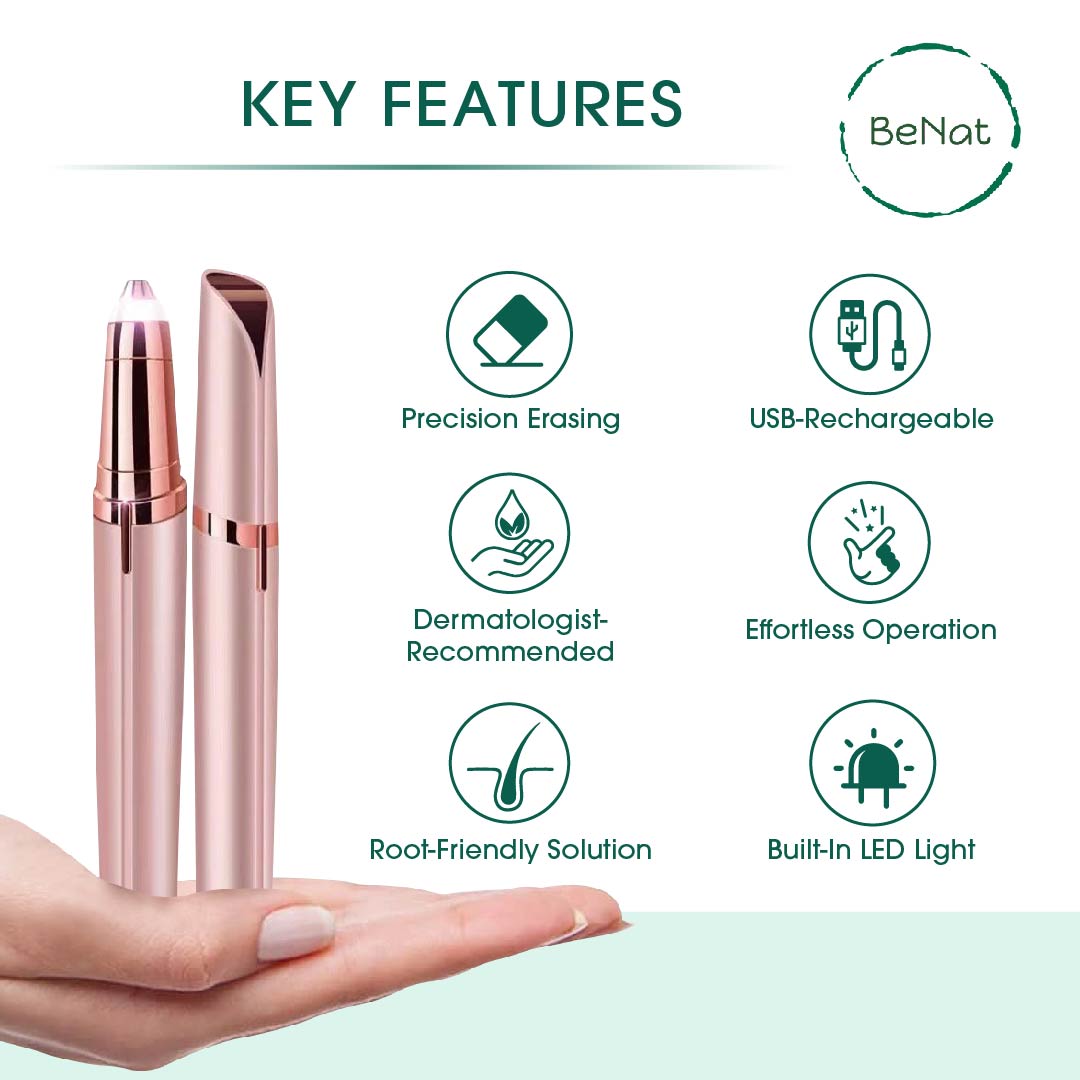
The technology is elegantly simple yet remarkably effective. Precision blades trim hair at the skin's surface without pulling, while the 18k gold-plated head is hypoallergenic and safe for even the most sensitive skin types. The device is small enough for precise eyebrow shaping yet powerful enough for chin and upper lip maintenance.
- Completely painless No ripping, pulling, or sudden yanking sensations
- Discreet and portable Fits in your purse for touch-ups anywhere
- USB rechargeable No batteries required, one charge lasts weeks
- No irritation Gentle enough for daily use if desired
- Multi-area capable One device handles eyebrows, upper lip, chin, and jawline
Compare that to the waxing experience: heating wax to the perfect temperature, applying it in the right direction, waiting for it to set, then ripping it off just hoping you don't take skin with it. The cleanup alone scraping wax residue off surfaces, washing strips, storing half-used beads takes longer than using a precision device for your entire face.
For those concerned about underarm hair removal solutions or larger treatment areas, Lucravea offers a comprehensive range of targeted devices that apply the same gentle technology to different body zones.
When Wax Still Makes Sense: Situational Use Cases
I'm not here to pretend waxing has no place in 2026. Despite the clear advantages of modern devices, certain situations still call for traditional methods. Understanding when to use each approach helps you build the most effective personal routine.
Travel is one scenario where wax occasionally wins. If you're heading somewhere remote without reliable electricity, a small hard wax kit can work wonders. That said, a fully charged precision device holds power for weeks of regular use, making even this advantage increasingly marginal.
Some people with very coarse, dense facial hair find that waxing provides the longest smooth window before regrowth appears. If you have PCOS-related hirsutism or hormonally-driven growth patterns, you might prefer the 4-6 week clearance that properly executed waxing delivers.
The ideal approach for many women is hybrid: use precision devices for daily or weekly maintenance between waxing sessions, or gradually transition entirely to devices as hair growth diminishes over time. Lucravea's portable laser hair removal device offers another layer, providing clinical-grade reduction that makes all other methods gradually unnecessary.
Think of it this way: waxing is the manual transmission of hair removal. It works, but it requires skill, attention, and ongoing effort. Modern precision devices are the automatic equivalent easier, more consistent, and perfectly suited to busy lives.
Key Takeaways: Your Face Deserves Better Than Basic Wax
After years of testing and researching, my conclusion is clear: while hard wax remains the best option among traditional methods, the future of at-home facial hair removal belongs to precision technology. Your face deserves gentle treatment, not the trauma of repeated hot wax application.
- Hard wax beats soft wax for faces It grips hair without pulling skin, reducing irritation significantly
- Devices offer better long-term value One investment replaces years of recurring consumable costs
- Modern tools eliminate prep and cleanup No heating, no dripping, no residue to scrape away
- Pain-free precision is achievable at home You don't need to choose between effectiveness and comfort
- Hybrid routines work beautifully Combine methods strategically for optimal results
The 2026 beauty landscape rewards smart choices. Women who embrace technology-assisted skincare and hair removal enjoy better results with less effort, freeing up time for what genuinely matters. Ready to upgrade your routine? shop our curated collection and discover how modern beauty technology can transform your daily self-care.
FAQ: Face Hair Removal Wax Questions Answered
Is hard wax better than soft wax for facial hair removal?
Yes, hard wax is significantly better for facial areas. It adheres primarily to hair rather than skin, reducing pain and irritation by up to 60% compared to soft wax. This makes it the dermatologist-preferred choice for sensitive zones like upper lip and eyebrows.
How long does facial waxing last before hair grows back?
Results typically last 3-6 weeks depending on hair growth cycles. Most women need 8-10 sessions per year for maintenance. Precision devices offer similar immediate results with the added benefit of reduced regrowth over time when used consistently.
Does at-home facial waxing hurt as much as salon waxing?
No, properly executed home waxing is often less painful. You control timing, temperature, and technique, which means you can work at your own pace. However, pain-free alternatives like precision devices eliminate discomfort entirely while delivering comparable smoothness.
Can I use regular body wax on my face?
Not recommended facial skin requires gentler formulations. Body wax is designed for thicker skin on legs and back. Using it on your face increases irritation, burning, and potential scarring risks. Always choose wax specifically formulated for facial use.
What's the best alternative to waxing for facial hair?
Rechargeable precision devices offer the best wax-free alternative. They're painless, require no preparation, and work on all skin tones and hair types. Lucravea's facial removers provide immediate smoothness without any of waxing's drawbacks or ongoing costs. explore Lucravea's full range to find your ideal match.
How do I prevent ingrown hairs after waxing my face?
Regular exfoliation and proper technique minimize ingrown risk. Use a gentle facial exfoliant 48 hours after waxing, avoid tight skincare products initially, and always pull wax in the opposite direction of hair growth. Precision devices virtually eliminate ingrown concerns since they trim rather than remove from the root.
Article created with love by hoox


