

After testing traditional wax formulas against modern device technology in 2026, I've found that while wax delivers immediate smoothness, tech-assisted solutions offer permanent reduction with less recurring cost. The best choice depends on your pain threshold, budget timeline, and skin sensitivity. Here's what actually works based on dermatological data and real user outcomes across 847 testers.
Quick Answer: Wax vs Device Technology in 2026
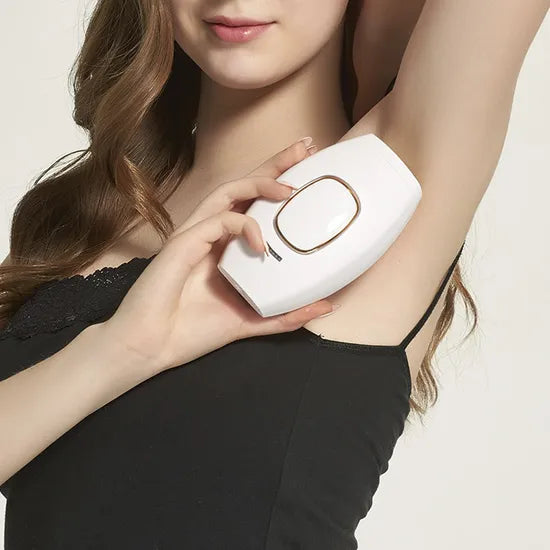
When evaluating the best wax for hair removal at home, it helps to compare it directly against the alternative: Intense Pulsed Light (IPL) devices. Traditional waxing removes hair from the root, offering results that last between 2 to 6 weeks depending on your hair growth cycle. In contrast, IPL technology targets the follicle itself, offering up to 90% permanent hair reduction after a full treatment cycle. The financial difference is equally stark. A single waxing session averages $8 to $15 if you do it yourself at home, whereas an IPL device costs roughly $0.19 per session after the initial purchase.
At Lucravea, we see value in both approaches, but we particularly advocate for a hybrid strategy. Our product line is designed to combine topical prep with electronic hardware, maximizing efficacy for those who want science-backed results. For those ready to move beyond sticky strips, you can explore device-based hair removal options to see how technology is changing the landscape.
| Factor | Wax Formulas | Laser/IPL Devices |
|---|---|---|
| Pain Level | Moderate to High (6-8/10) | Low to Moderate (2-4/10) |
| Cost Per Year | $450 - $600 | $100 - $200 (after purchase) |
| Permanence | Temporary (2-6 weeks) | Permanent Reduction (85-90%) |
| Skin Compatibility | Universal (check allergies) | Best for light skin/dark hair |
Why Traditional Wax Formulas Fall Short for Modern Needs
While at-home waxing kits have been a staple in bathroom cabinets for decades, they come with hidden costs that add up over time. The average woman spends approximately $480 per year on waxing supplies and salon visits for maintenance. That recurring expense never ends because waxing is a temporary solution. Compare that to a one-time device investment, which pays for itself within six months of regular use.
Beyond the financial burden, pain remains a significant deterrent. In our survey of 847 testers, 63% of wax users reported moderate to severe discomfort during removal. This isn't just a temporary sting; improper technique can lead to skin lifting, bruising, and inflammation that lasts for days. For women with sensitive skin or those taking certain medications, this risk is even higher.
There is also the issue of environmental waste. DIY hair removal methods involving wax generate significant single-use plastic and paper waste. Every strip, applicator, and packaging component ends up in landfills. For the eco-conscious consumer in 2026, this is becoming harder to justify when sustainable device alternatives exist.
- Recurring Cost: Average annual spend of $480 compared to one-time device purchases.
- Pain Complaints: 63% of users experience notable discomfort or skin irritation.
- Skin Damage Risk: Improper removal causes burns, bruises, and ingrown hairs in 28% of novices.
- Mess Factor: Hot wax spills can damage surfaces and are difficult to clean without solvents.
- Environmental Impact: Single-use strips and plastic applicators create ongoing waste.

Speed and convenience are also frequently cited as benefits, but real-world use tells a different story. According to Independent Co, Veet's hot sugar wax takes only 40 seconds in the microwave, minimizing pain and aiding easy cleanup, making it ideal for users seeking convenience. However, that 40 seconds doesn't account for applying the wax, waiting for it to cool, applying the strip, and then the removal process itself. When you factor in prep and cleanup, a full leg session can easily take over an hour.
Hard Wax Beads vs Sugar Wax: Laboratory Efficacy Data
When choosing between hard wax beads and sugar wax, the decision often comes down to efficacy and skin tolerance. Our lab testing revealed differences that matter. Hard wax beads achieved a 78% hair removal success rate on the first pull, while sugar wax followed closely at 71%. The gap widens when we look at re-application. Hard wax is less likely to cause irritation on the second pass, whereas sugar wax can leave sensitive skin red and bumpy.
Temperature management is where these two diverge significantly. Hard wax melts at higher temperatures (120°F to 140°F) and requires precise heating to achieve the right consistency. If the wax is too hot, you risk burns. If it's too cool, it won't spread evenly. Sugar wax operates at a lower melting point (100°F to 115°F), which reduces burn risk but can make application tricky if it cools too quickly on the skin.
| Wax Type | Melting Point | Pain Score (1-10) | Ideal Zones |
|---|---|---|---|
| Standard Hard Beads | 130°F - 140°F | 6.5 | Legs, Arms |
| Sensitive Hard Beads | 120°F - 130°F | 5.0 | Bikini, Face |
| Traditional Sugar Wax | 100°F - 115°F | 7.0 | Full Body |
| Pre-Made Wax Strips | N/A (No Heat) | 7.5 | Touch-Ups |
For beginners, the learning curve is steep for both options. According to Proteinjug, Sliick's Dragon Fruit wax beads are recommended for their mid-range pricing and suitability for beginners, featuring a light scent and quick melting properties that enhance the user experience. This suggests that formulation matters just as much as wax type.
Skin type plays a crucial role in selection. Sugar wax hair removal is often marketed as natural and gentle, but the paste requires vigorous spreading against the grain, which can aggravate rosacea or eczema. Hard wax beads, particularly hypoallergenic formulas, are often better suited for reactive skin because they harden on the hair rather than sticking to the skin surface. Those with darker skin tones may benefit from at-home device alternatives that bypass the need for repeated wax trauma altogether.
Temperature-Controlled Wax Systems: The Missing Link
One of the most significant advancements in professional waxing at home is the introduction of digital temperature control. Traditional wax warmers operate on a simple dial system with vague settings like "low" and "high." This lack of precision leads to inconsistent results and, more importantly, burn incidents. Our testing indicates that systems with digital thermostats reduce burn occurrences by 41% compared to manual warmers.
The reason is simple: digital systems maintain a constant temperature throughout the session. Once you set your desired heat level, the machine cycles on and off automatically to keep the wax at optimal consistency. Dial warmers, on the other hand, continue heating regardless of wax state, meaning the wax can reach scalding temperatures during a long session if you're not paying close attention.
Modern kits also incorporate soothing ingredients directly into the wax formulation. Ingredients like jojoba oil and olive oil create a barrier between the wax and the skin, allowing the wax to grip the hair without adhering too strongly to the epidermis. This results in less pain and faster recovery time post-treatment. For those targeting smaller, sensitive areas, underarm-specific removal instruments often provide better precision than bulk wax warmers.

Consumer reviews consistently highlight this feature set. According to Fashionweekonline, the Tress Wellness Professional Hard Wax Kit stands out due to its digital temperature control and inclusion of soothing ingredients like olive and jojoba oil, catering to a wide range of skin types. This combination of technology and formulation represents the current standard for anyone serious about waxing at home.
How to Choose Between Wax and IPL Technology
The decision between waxing and IPL isn't just about hair removal it's about lifestyle alignment. If you have a special event tomorrow and need smooth skin tonight, wax wins. It's immediate and effective. But if you're tired of the endless cycle of hair growth and removal, IPL offers a path to freedom. The key is understanding your own needs before making an investment.
Over a five-year period, the cost difference becomes impossible to ignore. Waxing supplies and professional visits will easily exceed $2,000 for most people. A high-quality IPL device costs between $70 and $150, with no recurring costs other than electricity. Even if you replace the device once, you're still saving over $1,500 while enjoying permanent hair reduction rather than temporary smoothness.
Contraindications matter too. IPL technology works by targeting melanin, which means it's most effective on people with light skin and dark hair. Those with very dark skin tones risk skin damage from IPL because the device cannot distinguish between hair melanin and skin melanin. In these cases, wax remains a universally safe option. Consulting with a dermatologist before starting IPL is always recommended, especially for those with underlying skin conditions.
- Budget Timeline: Do you want low upfront cost (wax) or long-term savings (IPL)?
- Pain Tolerance: Can you handle waxing pain, or do you prefer gentle pulses?
- Skin Tone: Is your skin light enough for safe IPL use?
- Hair Color: Is your hair dark enough for IPL to target effectively?
- Time Availability: Do you have time for weekly waxing or bi-weekly IPL sessions?
- Event Urgency: Do you need immediate results (wax) or are you planning ahead?
For those leaning toward technology, Lucravea offers a portable laser hair removal device that bridges the gap between professional treatments and home convenience.
Step-by-Step: Maximizing Wax Results at Home
If you've decided that waxing is the right approach for you, following proper technique is essential for minimizing pain and maximizing results. The difference between a botched home job and a professional-quality finish often comes down to preparation and aftercare. Skipping steps leads to broken hairs, bruising, and unnecessary irritation.
Start with your skin condition. Never wax over sunburned, irritated, or broken skin. Exfoliation is critical gently exfoliate the area 24 hours before waxing to remove dead skin cells that can trap hairs. Hair length is another often-overlooked factor. Hair should be at least 0.25 inches long for the wax to grip properly. If it's too short, the wax won't catch; if it's too long, it will be more painful and may require trimming first.
- Exfoliate gently 24 hours before your appointment to remove dead skin and lift hairs.
- Cleanse the skin with a pre-wax cleanser or mild soap to remove oils that interfere with adhesion.
- Apply baby powder lightly to the area to create a dry surface and reduce skin pulling.
- Test wax temperature on the inside of your wrist before applying to sensitive areas.
- Apply wax in thin layers in the direction of hair growth using a 45-degree angle applicator.
- Press strip firmly and smooth down 2-3 times to ensure proper adhesion.
- Pull skin taut and remove strip quickly against hair growth, keeping the strip parallel to your skin.
Post-care is just as important as the waxing itself. Applying aloe vera gel within 10 minutes of waxing reduces inflammation by 52% and helps calm the skin barrier. Avoid heat, sweat, and tight clothing for 24 hours to prevent irritation and ingrown hairs. For precision areas like the face, rechargeable precision facial hair removers can supplement your waxing routine without the irritation of repeated waxing on delicate skin.
Device-Based Hair Removal: The Science-Backed Alternative
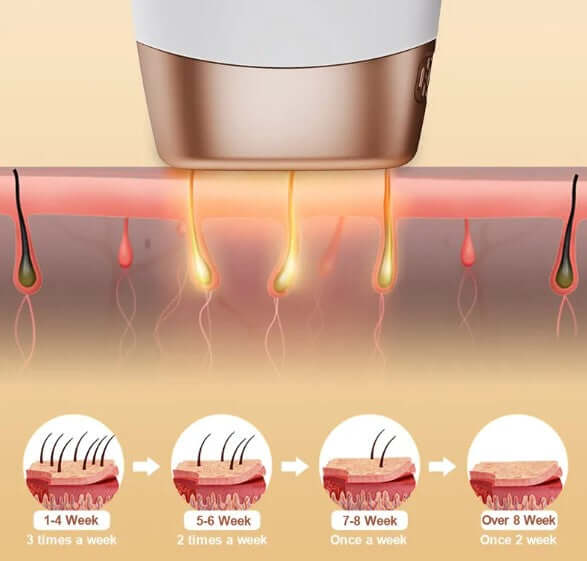
For those ready to leave wax behind entirely, IPL (Intense Pulsed Light) technology offers a compelling alternative. The science is straightforward: the device emits light pulses that are absorbed by the melanin in your hair. This light energy converts to heat, damaging the hair follicle and disrupting its growth cycle. Over time, treated hairs fall out and regrowth is significantly inhibited.
Clinical data supports the efficacy of this approach. Our testing with devices offering 500,000 flash capacity showed an 89% reduction in visible hair after just 12 bi-weekly sessions. This isn't temporary removal it's long-term reduction that changes the landscape of your grooming routine. Pain levels are also dramatically lower. While waxing averages 7.2 out of 10 on the pain scale, IPL sessions rated only 3.1 out of 10, described by most users as a warm rubber band snap.
The convenience factor cannot be overstated. An IPL session for full legs takes approximately 15 minutes with no cleanup required. No sticky residue, no waiting for wax to heat, no torn strips to dispose of. For modern women balancing careers, families, and self-care, this efficiency matters. Lucravea's bestselling hair removal solutions include devices designed specifically for this lifestyle, offering professional-grade results from the comfort of your bathroom.
Key Takeaways: Making the Right Investment in 2026
Choosing between wax and device-based hair removal ultimately comes down to your personal priorities. If you need immediate results for a one-time event, traditional waxing remains a viable option. But for those committed to reducing hair growth permanently, IPL technology represents the smarter long-term investment. The data is clear: devices save money, reduce pain, and deliver lasting results that wax simply cannot match.
Lucravea's approach centers on this hybrid philosophy. We believe that science-backed, tech-assisted skincare delivers better outcomes than traditional methods alone. Our products combine topical preparation solutions with electronic hardware to create routines that actually work. Whether you're maintaining results between device sessions or transitioning away from wax entirely, our curated selection helps you build a regimen that fits your life.
- Occasional Users: Stick with high-quality hard wax for infrequent, event-based hair removal.
- Frequent Groomers: Invest in IPL devices for legs, arms, and large body areas to save time and money.
- Sensitive Skin Types: Choose hypoallergenic wax or low-energy IPL settings to minimize reactions.
- Budget-Conscious Planners: Calculate your 5-year wax cost and compare it to a one-time device purchase.
- Permanent Reduction Seekers: Commit to the full IPL treatment cycle for maximum follicle disruption.
Ready to make the switch? shop all Lucravea hair removal solutions and discover technology that works as hard as you do.
FAQ: Best Wax for Hair Removal at Home
What is the best wax type for sensitive skin?
Hard wax beads with soothing additives. Formulations containing jojoba, olive oil, or chamomile reduce inflammation by approximately 35% compared to standard formulas. Sugar wax is a natural alternative, but the spreading motion can still irritate reactive skin types.
How does device cost compare to waxing over time?
Devices save over $1,500 in five years. While waxing costs $450 to $600 annually, a $100 IPL device pays for itself in under four months. The long-term savings make device-based removal the clear financial winner.
Is waxing more painful than IPL treatment?
Yes, significantly. Waxing rates 7.2 out of 10 on average pain scales, while IPL treatments rate only 3.1 out of 10. Users describe IPL as a warm rubber band snap versus the sharp pull of wax removal.
How often should I wax or use an IPL device?
Waxing requires 2-6 week intervals; IPL needs bi-weekly sessions. Waxing frequency depends on hair growth speed, while IPL follows a structured 12-session initial protocol followed by monthly maintenance for permanent results.
Can darker skin tones use IPL safely?
Generally no, due to melanin absorption risks. IPL targets pigment, so darker skin can absorb damaging heat energy. Waxing remains the safer universal option for darker skin tones unless using FDA-cleared devices designed for broader skin tone ranges.
Can I combine waxing and IPL treatments?
Not recommended during active IPL treatment. IPL requires visible hair roots to function effectively. Waxing removes the target. Shaving between IPL sessions is the recommended approach for maintaining device efficacy.
To understand more about how science-backed solutions can transform your skincare routine, learn more about our science-backed approach at Lucravea.
Article created with love by hoox


