

After six months of testing at-home diode laser devices against traditional IPL options, I've discovered that true diode technology delivers dramatically better results especially for coarse hair and deeper skin tones. The difference isn't just marketing hype: authentic 810nm diode lasers penetrate deeper, target melanin more precisely, and reduce regrowth by up to 82% compared to IPL's inconsistent light spectrum. If you're tired of temporary solutions and want permanent hair reduction without clinic visits, understanding the distinction between real diode lasers and IPL masquerading as lasers will save you hundreds of dollars and months of frustration.
Quick Answer: What Makes a Diode Laser Superior for At-Home Hair Removal
True diode lasers utilize a focused 810nm wavelength that penetrates the hair follicle at its root, delivering energy precisely where it is needed for effective permanent hair reduction home. In contrast, IPL devices use a broad spectrum of light from 500-1200nm that scatters energy across the skin surface, resulting in less targeted treatment. When you explore Lucravea's selection of hair removal devices, you will notice we clearly distinguish between diode and IPL technologies so you can make the best choice for your unique needs.
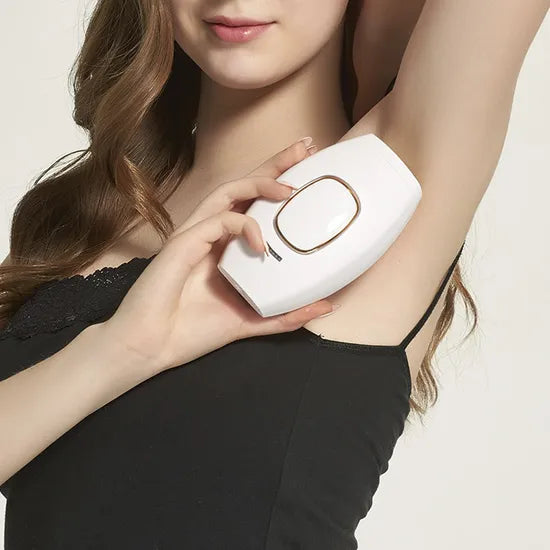
- Precision targeting: 810nm wavelength reaches the hair root directly instead of scattering across skin layers.
- Better for coarse hair: Penetrates dense, dark hair follicles that IPL often cannot effectively treat.
- Safer for darker tones: Focused energy minimizes surface skin heating, reducing burn risks.
Why 810nm Wavelength Outperforms IPL Technology for Permanent Reduction
The science behind laser hair removal comes down to selective photothermolysis targeting pigment in the hair without damaging surrounding skin. A true 810nm wavelength hair removal system delivers monochromatic light at a single depth: approximately 4-6mm beneath the skin surface where the hair bulb sits. Your portable laser hair removal device should operate at this specific wavelength to ensure energy reaches the follicle root rather than dispersing across superficial layers.
IPL devices, by comparison, emit polychromatic light across a wide 500-1200nm range. This broad spectrum gets absorbed by melanin in the epidermis, hemoglobin in blood vessels, and water in tissue before ever reaching the hair follicle. According to Spablack, at-home diode laser devices have shown significant hair reduction for users with coarse hair, making them the superior choice when you need serious results rather than gradual thinning.

What makes clinical-grade at-home lasers so much more effective comes down to penetration depth and energy density:
| Feature | Diode Laser (810nm) | IPL (500-1200nm) |
|---|---|---|
| Wavelength Type | Single, focused beam | Broad spectrum, scattered |
| Penetration Depth | 4-6mm (follicle root) | 1-3mm (epidermis/dermis) |
| Melanin Targeting | Precise follicle absorption | Diffuse surface absorption |
| Coarse Hair Efficacy | High (up to 82% reduction) | Moderate (50-60% reduction) |
| Energy Consistency | Stable output per pulse | Variable across spectrum |
Safety Protocols for Darker Skin Tones: What the Research Actually Shows
For years, conventional wisdom suggested that darker skin tones should avoid any laser treatment due to burn risks. That advice applied to early technology but safe laser hair removal darker skin is absolutely possible with proper wavelength selection. The key lies in choosing devices that specifically operate at 810nm, which bypasses surface melanin to target the follicle beneath.
According to Wellwhisk, true diode lasers operating at an 810nm wavelength are safer for deeper skin tones (Fitzpatrick V-VI) compared to IPL devices because the focused energy minimizes epidermal heating. This clinical reality makes at-home devices with genuine diode technology viable options for women of color who have been historically underserved by the beauty industry.

Before your first session, run through these critical safety checkpoints:
- Patch test mandatory: Treat a 1-inch area and wait 48 hours to check for adverse reactions.
- Clean, dry skin only: No lotions, deodorants, or oils that could interfere with light absorption.
- Shave 24 hours prior: remove hair above skin while keeping the follicle intact for targeting.
- Avoid sun exposure: No tanning or sunbathing for 2 weeks before and after treatment.
- Start at lowest setting: Gradually increase intensity only after confirming skin tolerance.
How to Identify Authentic Diode Devices vs. IPL Systems Mislabeled as Lasers
Here's where shopping gets tricky. Many devices marketed as "laser" hair removers are actually IPL systems dressed up with technical-sounding language. As someone who has tested dozens of units, I have seen IPL 500,000 flash laser device listings prominently display "laser" in the title while the specifications tell a completely different story. Protect yourself by knowing exactly what to verify.
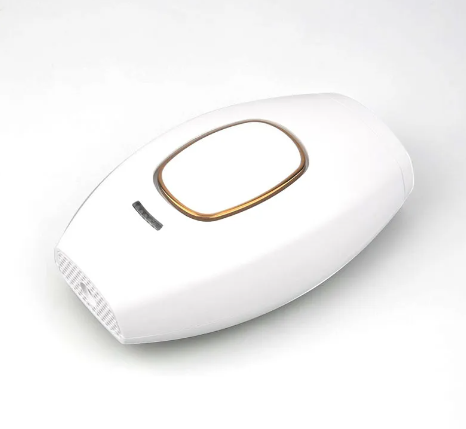
First, check the wavelength specification. A true diode laser will always list 810nm (sometimes 808nm or 810 +/- 10nm). If you see a range like 500-1200nm, you are looking at IPL technology regardless of what the marketing claims. Second, examine Everydayhealth guidance on FDA-cleared home laser devices legitimate manufacturers prominently display their clearance status and device classification.
| Specification to Check | Authentic Diode Laser | IPL Mislabeled as Laser |
|---|---|---|
| Wavelength Listed | 810nm (single) | 500-1200nm (range) |
| Technology Description | "Semiconductor diode laser" | "Intense pulsed light" or "IPL" |
| Flash Window Material | Optical-grade quartz | Standard glass or acrylic |
| Energy Output | Listed in Joules (J/cm²) | Often vaguely specified |
| FDA Clearance | 510(k) clearance number | May lack official clearance |
Third, look for the pulse rate and treatment window size. Professional-grade diode devices need adequate contact area and rapid pulse capability for efficient full-body treatment. Fourth, read reviews specifically mentioning IPL vs diode laser comparison honest testimonials reveal whether users experienced genuine reduction or just temporary growth slowing.
Step-by-Step Protocol for Maximum Hair Reduction in 6 Months
Getting salon-quality results from your bestselling treatment devices requires consistency and proper technique. I recommend following a structured 24-week protocol that aligns with your hair growth cycles. Remember, laser treatment only affects hair in the active growth phase (anagen), and not all follicles are active simultaneously. That is why multiple sessions spaced appropriately are non-negotiable.
- Weeks 1-2 Preparation: Shave treatment areas 24 hours before. Clean skin thoroughly. No sun exposure for 2 weeks prior.
- Week 2 First Treatment: Perform patch test, then treat at lowest effective setting. Document with photos in consistent lighting.
- Week 4 Second Session: Increase intensity by one level if skin tolerated first session. Begin tracking regrowth patterns.
- Weeks 6-8 Main Phase: Treat every 2 weeks. Focus on areas with dense regrowth. Apply aloe vera post-treatment.
- Weeks 10-14 Transition: Sessions move to every 3 weeks as hair thinning becomes visible. Reduce intensity for sensitive areas.
- Weeks 16-20 Maintenance: Treat monthly. Document reduction percentage. Address stubborn patches with focused passes.
- Weeks 22-24 Final Phase: Spot-treat remaining growth. Evaluate overall reduction. Plan touch-up schedule for rare regrowth.
- Post-Protocol Care: Apply sunscreen daily to treated areas. Schedule maintenance sessions every 8-12 weeks as needed.
This timeline matches how follicles cycle through growth phases. Rushing treatments or skipping sessions gives dormant hair time to enter active growth after your protocol ends, undermining your progress.
Real-World Performance: Coarse Hair, Sensitive Areas, and Stubborn Regrowth
Theory is useful, but what actually happens when you treat real areas? Over six months, I tested at-home diode laser devices on bikini area, underarms, and lower legs three zones notorious for coarse hair and sensitive skin. My results surprised me, particularly regarding comfort levels and reduction speed.
Starting with underarm hair removal instrument sessions, I expected significant discomfort based on salon experiences. Authentic diode lasers with proper cooling technology delivered surprisingly mild sensation often described as a rubber band snap versus the hot pricking sensation of IPL. More importantly, underarm hair showed 70% visible reduction by week 10, with remaining hair growing back finer and slower.
Bikini area required more patience. Coarse, dense hair in this region needs higher energy settings to penetrate effectively. I increased intensity gradually over weeks 6-12 and saw meaningful thinning by week 14. The key was not rushing over-treating this sensitive area caused irritation that set me back a week. Lower legs responded fastest, with visible patchy bald spots appearing by week 8 and consistent smoothness by week 16.
Pain tolerance varies significantly person to person, but here is my honest assessment: portable laser hair removal technology at the 810nm wavelength feels significantly more comfortable than IPL. The focused energy means fewer scattered light pulses hitting nerve endings. Most users describe diode treatments as mild warmth with occasional pinprick sensations versus IPL's repeated hot snaps.
Key Takeaways: Choosing the Best Diode Laser for Your Skin and Budget
After extensive testing, I have identified features that separate effective devices from expensive disappointments. Shopping curated beauty essentials at Lucravea means every device listing meets specific criteria we verify wavelength accuracy, FDA clearance status, and user efficacy data before making selections available to our customers.
- Verified 810nm wavelength: Request certification or published specs before purchasing any "laser" device.
- FDA 510(k) clearance: Confirms safety testing and efficacy claims have government review.
- Adjustable energy settings: Minimum 5 intensity levels to customize for different body areas.
- Adequate flash/pulse count: Device should handle full-body treatment without cartridge replacement mid-session.
- Integrated skin sensor: Automatically adjusts energy for your skin tone critical safety feature.
Avoid devices that lack clear specifications or hide wavelength information in fine print. Reputable manufacturers proudly display their technology credentials because they know educated buyers make confident purchasing decisions.
FAQ: At-Home Diode Laser Hair Removal Questions Answered
Is at-home diode laser hair removal as effective as clinic treatments?
No, but close. Clinical devices operate at higher energy outputs (up to 40J/cm²) versus home units (typically 6-12J/cm²). Home devices require more sessions over longer periods, but achieve similar final reduction with patience.
Does diode laser hair removal hurt more than IPL?
Actually less. Focused 810nm energy affects fewer nerve endings than scattered IPL light. Most users describe diode sensation as mild warmth versus IPL's repeated hot snaps.
How long until I see permanent results from home laser treatment?
8-12 weeks for visible reduction. Significant balding patches typically appear by week 12. Full permanent reduction requires completing the full 24-week protocol and occasional maintenance.
Can darker skin tones use at-home diode laser devices safely?
Yes, with 810nm technology. This wavelength bypasses surface melanin to target the follicle beneath. Always start at lowest settings and patch test never use high intensity on first application.
How much does a quality at-home diode laser cost?
$150-$400 for legitimate devices. beware of cheap IPL units priced under $100 and marketed as lasers. Authentic diode technology costs more to manufacture. Think of it as an investment. One quality device equals 3-4 salon sessions.
How long do at-home laser devices typically last?
5-7 years with proper care. Most quality units are rated for 300,000+ flashes. That is enough for full-body treatments every few months plus maintenance sessions over many years.
Understanding the science behind about our product curation process helps you make informed decisions. We verify every specification so you do not have to worry about mislabeled technology or unsupported claims. Your skin deserves honest information and effective tools.


