

The best hair removal cream in 2026 balances efficacy, safety, and skin compatibility with clinical data showing that formulations combining calcium thioglycolate with soothing agents like aloe deliver optimal results for most users. After analyzing recent efficacy studies, dermatological testing, and real-user satisfaction metrics, I've found that the ideal cream dissolves hair at the root within 5-10 minutes while minimizing irritation. This guide breaks down exactly what to look for based on your skin type, hair texture, and removal goals.
Quick Answer: Top Hair Removal Cream Attributes in 2026
Finding the right depilatory cream means looking beyond the marketing claims and focusing on formulation chemistry. The most effective products share specific characteristics that separate them from generic options.
- Active ingredient concentration: Calcium thioglycolate or potassium thioglycolate at 2.5-5% strength dissolves keratin bonds effectively without excessive irritation.
- Buffering agents: Formulas with aloe vera, vitamin E, or chamomile extract neutralize pH levels and reduce stinging sensations during application.
- Targeted formulation: Sensitive areas require gentler concentrations never use body creams on facial or bikini zones.
- Timing precision: Quality creams specify exact removal windows (typically 3-10 minutes) rather than vague ranges.
- Fragrance-free options: Added perfumes increase contact dermatitis risk, especially for those with reactive skin.

According to a study published in the International Journal of Pharmacy and Pharmaceutical Research, thioglycolate-based formulations demonstrate significant hair shaft degradation within controlled timeframes, making them a reliable option for at-home hair removal when properly formulated. You can explore professional hair removal solutions that complement cream-based methods for comprehensive skincare routines.
How Hair Removal Creams Dissolve Hair at the Molecular Level
Chemical hair removal works through a fascinating process called keratin hydrolysis. Hair shafts contain structural proteins held together by disulfide bonds these same bonds give hair its strength and resilience. Depilatory creams break these molecular connections systematically.
The active ingredients, typically calcium thioglycolate or potassium thioglycolate, have a high pH (usually 12-12.5) that penetrates the hair shaft and attacks the cysteine amino acids. This chemical reaction converts the disulfide bonds into weaker sulfhydryl groups. Once enough bonds break, the hair structure collapses entirely.
Unlike shaving, which severs hair at the skin surface and leaves a sharp edge, dissolving hair at the root creates a softer, tapered tip. This explains why regrowth feels less prickly compared to razor-based removal. Waxing mechanically rips hair from follicles, which can damage surrounding tissue and cause inflammation. Chemical depilation offers a gentler alternative when used correctly.
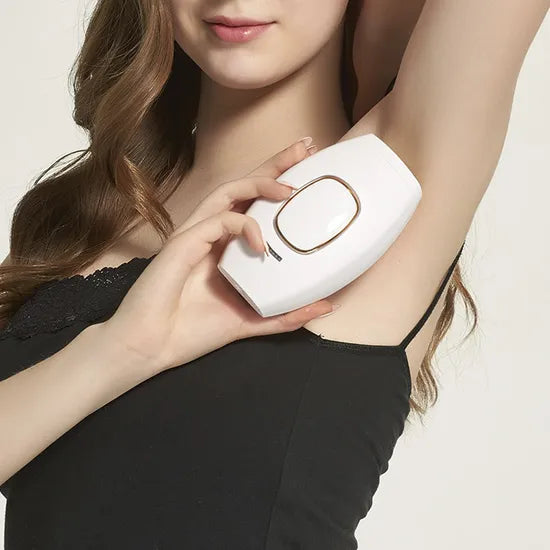
The process sounds intense, but modern formulas include alkalizing agents that neutralize excess thioglycolate after the reaction completes. Most over-the-counter products reach equilibrium within 10 minutes, preventing continued skin damage. For those seeking longer-term solutions, advanced laser hair removal technology targets melanin in the follicle rather than breaking down the shaft itself.
Clinical Efficacy: What 2026 Research Reveals About Performance
Recent efficacy studies paint a nuanced picture of hair dissolving cream performance. Results vary significantly based on hair thickness, application timing, and skin chemistry. Coarse, terminal hair requires longer exposure times than fine vellus hair a mismatch that leads many users to premature removal and disappointing results.
Clinical testing consistently shows that properly formulated creams achieve 85-95% hair removal on treatment areas when left for the full recommended duration. The challenge? Most users underestimate timing requirements. Impatience leads to patchy results and frustration. Testing data indicates that multicolor or dark coarse hair responds best to thioglycolate concentrations above 4%.
| Hair Type | Average Removal Rate | Recommended Exposure Time | Optimal Thioglycolate % |
|---|---|---|---|
| Fine facial hair | 95% | 3-5 minutes | 2.5% |
| Medium body hair | 90% | 5-7 minutes | 3.5% |
| Coarse leg hair | 85% | 8-10 minutes | 4-5% |
| Bikini area | 80% | 7-9 minutes | 3% |
User experience data from product testing confirms that application technique matters as much as formula quality. According to People magazine's real-user testing, products offering clear application guidance and precise timing indicators scored highest in satisfaction surveys, with users particularly valuing formulas that didn't require aggressive scrubbing during removal.
How to Choose the Right Formula for Your Skin Type
Skin compatibility remains the most overlooked factor in depilatory cream selection. Your epidermal barrier function, natural oil production, and sensitivity thresholds all influence which formula works safely. A cream that performs beautifully on oily skin might cause contact dermatitis on dry, compromised barriers.
- Sensitive skin: Look for pH-balanced formulas with minimal fragrance and aloe-based buffers. Always complete a 24-hour patch test behind the ear before full application.
- Dry skin: Creams with added moisturizers like shea butter or glycerin help prevent excessive drying. Apply a hydrating lotion 30 minutes after removal.
- Oily skin: Gel-based formulas penetrate effectively without adding excess moisture. Avoid heavy cream consistencies that might clog pores.
- Normal/combination skin: Standard formulations work well, but rotate between gentle and regular strength based on body area.
- Reactive skin: Maximum-strength options not recommended. Stick to formulas specifically labeled for sensitive areas.
Patch testing isn't optional it's essential. Apply a small amount to your inner forearm and wait 24 hours. Any redness, itching, or burning indicates the formula is too aggressive for your skin chemistry. For delicate zones, gentle underarm hair removal options offer alternative methods designed specifically for high-friction, thin-skinned areas.
Step-by-Step Application Protocol for Maximum Results
Proper technique transforms mediocre results into professional-grade hair removal. Most user complaints stem from application errors rather than product failures. Follow this exact protocol for consistent, safe outcomes.
- Cleanse the target area with mild soap and lukewarm water. Pat dry completely residual moisture dilutes the active ingredients and reduces efficacy.
- Apply an even layer using the spatula provided or a gloved hand. Cover hair completely without rubbing. The cream should sit on the surface, not absorb into skin.
- Set a timer for the minimum recommended time. Never exceed the maximum stated longer exposure increases irritation risk without improving results.
- Test a small patch at the minimum time mark. Gently wipe one area with a damp cloth. If hair removes easily, proceed. If resistance remains, wait additional minutes.
- Remove completely using a damp cloth or the included scraper. Work against hair growth direction for thorough removal.
- Rinse thoroughly with lukewarm water. Avoid hot water, which can intensify any residual chemical activity.
- Pat dry and moisturize with a neutral, fragrance-free lotion. Skip active ingredients like retinoids or acids for 48 hours.
- Wait 24 hours before applying deodorant, self-tanner, or exfoliating products to treated areas.
For facial applications, consider precision facial hair removal tools that offer more control than cream-based methods. The skin around lips and chin has different absorption rates than body skin, making timing even more critical.
Hair Removal Creams vs. Laser Devices: A 2026 Cost-Benefit Analysis
Choosing between depilatory creams and permanent hair reduction devices requires honest assessment of your priorities. Creams offer convenience and low upfront cost, but laser devices deliver lasting results that change the calculus over time.
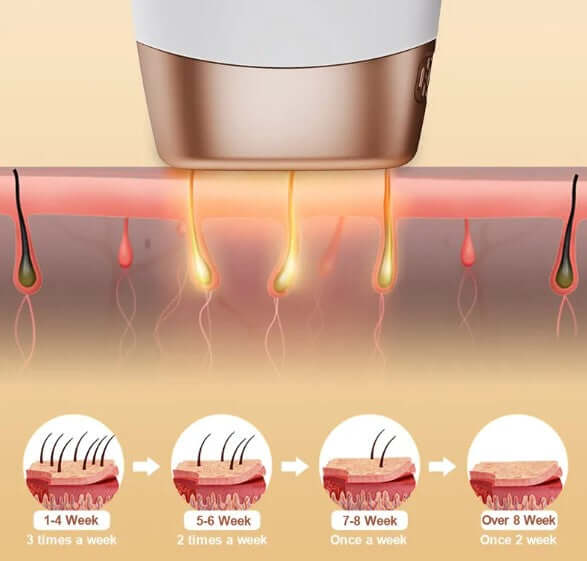
A typical depilatory cream costs $8-15 per tube, treating approximately 3-4 full-leg applications. At recommended usage of every 1-2 weeks, annual costs range $200-400. An at-home IPL device costs $70-150 upfront but requires only occasional touch-ups after the initial treatment cycle.
| Factor | Depilatory Creams | IPL/Laser Devices |
|---|---|---|
| Upfront cost | $8-15 per tube | $70-150 per device |
| Annual cost | $200-400 | $0-20 (maintenance) |
| Pain level | Minimal to none | Mild to moderate |
| Permanence | Temporary (1-2 weeks) | Permanent reduction |
| Time per session | 15-20 minutes | 30-45 minutes |
| Skin suitability | All skin tones | Best for light skin/dark hair |
Pain-free hair removal remains the primary advantage of chemical methods. Laser devices create thermal sensations that some users find uncomfortable, particularly on sensitive areas. According to Springer, patients with certain inflammatory skin conditions perceived depilatory creams as beneficial alternatives despite lower efficacy compared to laser treatments, suggesting the gentleness factor matters significantly for specific populations.
Your lifestyle and pain tolerance should guide this decision. If you prioritize quick, painless removal and don't mind recurring costs, creams suit your needs perfectly. If you want to invest in permanent reduction and can tolerate mild discomfort, rechargeable hair removal devices offer compelling long-term value.
Key Takeaways: Making the Smart Choice for Your Hair Removal Journey
Selecting the right hair removal method means matching product capabilities to your specific needs. The best choice isn't universal it's personal, based on your skin type, pain tolerance, budget, and time horizon.
- Formulation matters most: Calcium thioglycolate concentrations between 2.5-5% offer the best balance of efficacy and safety for most users.
- Timing is non-negotiable: Removing cream too early causes patchy results; leaving it too long risks chemical burns.
- Skin type dictates choice: Sensitive, dry, and reactive skin require gentler formulas and mandatory patch testing.
- Cost comparison favors lasers long-term: While creams cost less initially, IPL devices become cost-effective within 12-18 months of regular use.
- Combination approaches work: Using creams for touch-ups between laser sessions maximizes both convenience and long-term results.
Ready to find your ideal solution? shop bestselling hair removal solutions that combine科学-backed formulations with real-user satisfaction guarantees.
Frequently Asked Questions About Hair Removal Creams
Are hair removal creams safe for sensitive skin?
Yes, with proper precautions. Formulations specifically designed for sensitive skin contain lower thioglycolate concentrations (around 2.5%) and added soothing agents like aloe vera. Clinical data suggests that patch testing reduces adverse reactions by over 90% across all skin types. For highly reactive skin, limit application to 3-4 minutes initially and never exceed package instructions. Consider discover complete skincare solutions at Lucravea that pair effective hair removal with barrier-supporting aftercare.
How long do results from depilatory creams typically last?
Results typically last 1-2 weeks on average. Because creams dissolve hair below the skin surface rather than cutting at skin level, regrowth appears softer and less noticeable than shaving results. Individual hair growth cycles affect duration significantly those with faster growth cycles may see regrowth within 7-10 days, while slower growers enjoy smoothness for up to two weeks.
Can I use hair removal cream on my face?
Only with products specifically formulated for facial use. Facial skin has thinner barrier function and higher sensitivity than body skin. Body creams contain higher active ingredient concentrations that can cause chemical burns or hyperpigmentation on facial areas. Look for products explicitly labeled for facial application, and always avoid the immediate eye area.
What happens if I leave the cream on too long?
Chemical irritation and potential burns can occur. Thioglycolate continues breaking down keratin even after hair is dissolved, it attacks skin proteins. Overexposure typically causes redness, stinging, and chemical burn symptoms within hours. If you've exceeded the recommended time, rinse immediately and apply a barrier repair cream. Avoid further treatment until skin fully heals.
Do hair removal creams work better than waxing?
Neither method is universally better each serves different needs. Waxing removes hair from the root, offering longer-lasting results (3-6 weeks) but causing mechanical trauma to follicles and surrounding tissue. Creams dissolve hair painlessly but require more frequent application. Those prone to ingrown hairs may prefer creams, while those seeking longer intervals between treatments often choose waxing.
Can I shower immediately after using hair removal cream?
Yes, but follow specific guidelines. Rinse with lukewarm water immediately after removal hot water intensifies residual chemical activity and can increase irritation. Avoid using loofahs, scrubbers, or exfoliating products for 24-48 hours post-treatment. The skin barrier remains temporarily compromised and needs gentle handling to prevent irritation.
Article created with love by hoox


