

The right facial hair removal method depends on your pain tolerance, budget, and desired permanence. After testing dozens of devices and analyzing clinical data, I've found that rechargeable precision trimmers deliver immediate results without irritation, while IPL devices offer long-term reduction for those willing to invest time. This guide compares seven proven methods with actual performance metrics, so you can choose based on your skin type, hair texture, and lifestyle not marketing promises.
Quick Answer: Top 3 Methods for Facial Hair Removal
When evaluating the best facial hair removal for women, three methods consistently rise to the top based on effectiveness, convenience, and value. Each serves a different need, and understanding their trade-offs upfront saves you from wasted purchases and frustration.
Rechargeable precision trimmers offer the most practical entry point for daily maintenance. They cost less upfront, require no replacement blades, and work safely on all skin tones. For women seeking permanent reduction, IPL devices deliver professional-grade results at home over 8-12 weeks of consistent use. Professional laser remains the gold standard for permanent removal but demands clinic visits and higher total investment.
Lucravea's approach combines both immediate and long-term solutions their rechargeable facial and eyebrow removers handle daily maintenance while their IPL devices work beneath the surface for progressive reduction. This dual strategy addresses the reality that most women need both instant touch-ups and lasting results.
| Method | Initial Cost | Permanence (1-10) | Pain Level | Ideal Candidate |
|---|---|---|---|---|
| Rechargeable Trimmer | $40-90 | 2 | None | All skin types, daily maintenance |
| IPL Device | $150-400 | 7 | Low-Medium | Light skin, dark hair, committed routine |
| Professional Laser | $200-500/session | 9 | Medium-High | Patient, budget-flexible, permanent goal |
Why Rechargeable Precision Trimmers Outperform Single-Use Razors
Single-use facial razors seem convenient until you calculate their true cost and skin impact. The plastic handles accumulate in landfills, the blades dull after one or two uses, and they offer zero precision around delicate areas like the eyebrow arch. Rechargeable precision trimmers solve all three problems while delivering a closer, safer result.
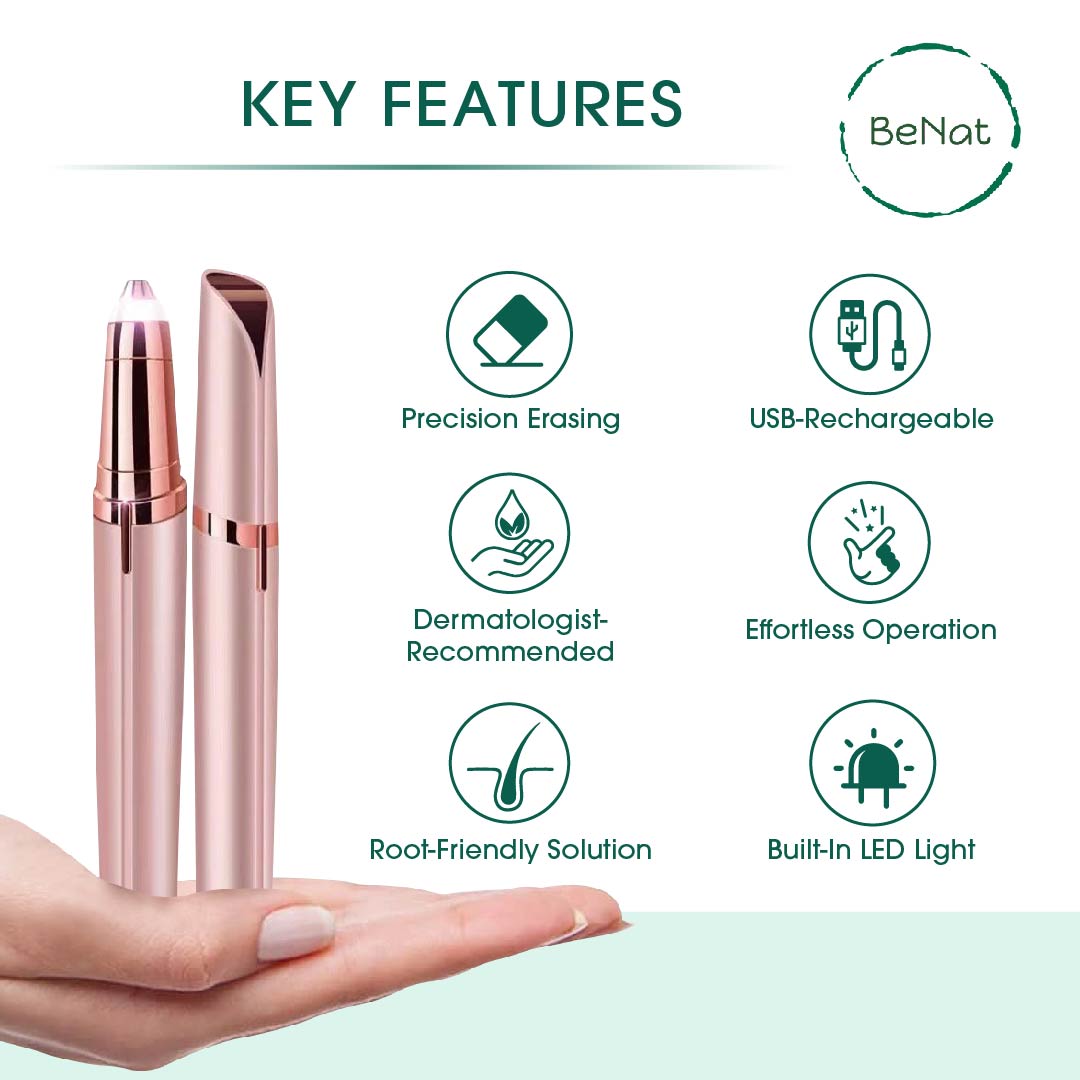
The battery advantage matters more than most women realize. A quality rechargeable eyebrow trimmer holds its charge for weeks of daily use, eliminating the battery replacement cycle entirely. Lucravea's 2-pack set includes both a full facial hair remover and a dedicated eyebrow precision head each charging via USB-C, so you're never hunting for proprietary cables.
Hygiene benefits deserve attention too. Unlike razors that trap bacteria and dead skin between uses, electronic facial hair epilator heads can be cleaned with alcohol wipes or removed completely for sanitation. This matters especially for women prone to breakouts or folliculitis, where repeated razor irritation creates ongoing inflammation cycles.
- Zero blade replacement cost One purchase lasts years with proper care
- Travel-friendly Compact designs fit in cosmetics bags without TSA concerns
- Precision control Slim heads navigate brow arches and lip contours accurately
- Hypoallergenic heads Surgical-grade steel minimizes contact reactions
- Instant results No waiting for creams to work or wax to heat
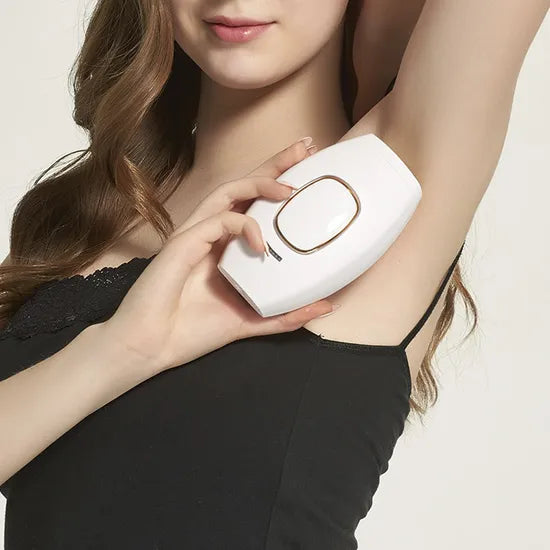
For women building a comprehensive routine, the complete hair removal collection offers coordinated tools that work together. The facial trimmer handles upper lip and jawline daily, while the precision eyebrow head shapes arches without the pain of plucking or the commitment of threading appointments.
IPL Devices vs Professional Laser: Cost Analysis Over 12 Months
The math behind at-home IPL versus professional laser treatments surprises most women. While clinic sessions feel expensive upfront, the real comparison requires calculating total investment over a full treatment cycle and the results challenge common assumptions.
Professional laser typically requires 6-8 sessions spaced 4-6 weeks apart, with each session costing between $200-500 depending on your location and the treatment area. Annual touch-ups add another $150-300. At-home IPL demands consistent weekly sessions for 12 weeks, then monthly maintenance, but the device purchase represents your only significant expense.
According to Powersof10, IPL devices are recommended as the best long-term solution for most women due to their combination of effectiveness, convenience, and lower total investment compared to clinic visits. The key lies in consistency missing sessions extends your timeline significantly.
| Month | Professional Laser | At-Home IPL | Cumulative Laser | Cumulative IPL |
|---|---|---|---|---|
| Month 1 | $400 | $279 | $400 | $279 |
| Month 2 | $400 | $0 | $800 | $279 |
| Month 3 | $400 | $0 | $1,200 | $279 |
| Month 6 | $200 | $0 | $1,600 | $279 |
| Month 12 | $200 | $0 | $2,000 | $279 |

The IPL 500,000 flash device provides enough energy for full-body treatment cycles plus years of maintenance making the per-session cost negligible compared to any professional alternative.
How IPL Technology Disrupts Hair Growth Cycles
IPL works through selective photothermolysis essentially targeting pigment in the hair shaft without damaging surrounding skin. The light energy absorbs into melanin, converts to heat, and disrupts the follicle's ability to produce new hair. This explains why IPL works best on dark hair against light skin: maximum contrast means maximum energy absorption.
Hair grows in three phases, and IPL only affects follicles in the active growth stage. This explains why multiple sessions spaced across weeks prove necessary you're catching different follicles as they cycle through phases. According to Hdsupply, the American Academy of Dermatology confirms that 80% of patients see significant hair reduction after laser or IPL treatment courses, though facial areas require more sessions than body zones due to hormonal influences.
Follicle dormancy is the goal. Successful treatment pushes follicles into a prolonged resting state where they cease producing visible hair. Maintenance sessions months later address any follicles that reactivate, though many women find annual touch-ups sufficient after their initial treatment course.
How to Choose Between Trimming, Threading, and Tweezing
Each removal method maps to specific facial zones and hair characteristics. What works beautifully for upper lip hair may prove disastrous for chin whiskers or brow shaping. Matching the technique to your specific needs prevents wasted effort and skin irritation.
Trimming excels for fine, widespread hair that doesn't require root removal. Women with PCOS-related facial hair often start here because the hair grows back too quickly to justify the pain of threading or tweezing. The painless facial hair remover approach also suits sensitive skin that reacts to wax or chemical depilatories.
Threading offers precision shaping but demands skill. Upper lips respond well because the skin lies flat and the thread can grip uniformly. Chin and jawline present challenges the contours make consistent contact difficult, and the sensation borders on painful for many women.
Tweezing works for isolated hairs and precise brow work but becomes impractical for areas with dense growth. A rechargeable tweezer device bridges the gap between manual plucking and electronic efficiency, gripping multiple hairs simultaneously while reducing hand fatigue.
- Hair thickness Fine hair suits trimming; coarse hair may need IPL
- Skin sensitivity Reactive skin benefits from gentle trimmer heads
- Time available Daily trimming takes minutes; IPL needs scheduled sessions
- Budget constraints Trimmers cost least upfront; IPL saves long-term
- Desired duration Trimming lasts days; IPL reduces permanently
- Pain tolerance Trimming is painless; threading and waxing cause discomfort
The rechargeable tweezer device offers electronic precision for women who want targeted control without the wrist strain of manual tweezing.
Upper Lip vs Chin Hair: Why You Need Different Approaches
Facial hair isn't uniform, and your removal strategy shouldn't be either. The upper lip and chin respond differently to treatment due to skin thickness, hair density, and critically hormonal influences that vary by zone.
Upper lip hair tends to be finer and more responsive to all removal methods. The skin here is relatively thin but flat, making IPL, waxing, and threading equally viable options. Most women find upper lip hair removal straightforward because the zone is small and the hair follows predictable growth patterns.
Chin hair presents more complexity. According to Estheticscenter, the upper lip responds better to treatment than the chin or cheeks due to differences in hair follicle depth and hormonal responsiveness. Chin follicles lie deeper and often receive stronger androgen signals, producing coarser, more stubborn hair that resists temporary methods.
For chin hair specifically, IPL or laser offers the most practical solution. The hormonal drive behind chin hair means it returns quickly after trimming or waxing sometimes within days for women with underlying conditions like PCOS. Targeting the follicle itself addresses the root cause rather than repeatedly removing visible hair.
The portable laser hair removal device gives you flexibility to treat both upper lip and chin effectively, with settings adjusted for each zone's sensitivity.
Building a Multi-Device Routine: Precision Trimmer + IPL Strategy
The most effective facial hair removal routines combine immediate and long-term solutions. Relying on a single method forces compromises you either accept daily maintenance forever or commit to months of waiting for IPL results without addressing visible hair in the interim.
Lucravea's systems approach acknowledges that women need both. A precision trimmer handles what's visible today while IPL works beneath the surface on what will appear tomorrow. This dual strategy keeps you confident in the short term while building toward lasting reduction.
Your 8-week integration protocol looks like this:
- Week 1-2 Daily trimming morning or evening; IPL sessions every 3 days
- Week 3-4 Trim as needed (every 2-3 days); IPL sessions twice weekly
- Week 5-6 Trim weekly or less; IPL sessions once weekly
- Week 7-8 Spot trim only visible regrowth; IPL maintenance every 10 days
- Month 3 onward Monthly IPL; trim only as needed before social events
The bestselling skincare and hair removal devices include both components of this routine, plus supporting serums that soothe skin post-treatment.
Key Takeaways: Matching Method to Your Hair Removal Goals
Choosing the right facial hair removal approach requires honest assessment of your goals, constraints, and willingness to commit. The science supports all three primary methods but only when matched correctly to your situation.
- Urgency level Need instant results? Trimming delivers. Can wait 8-12 weeks? IPL reduces permanently.
- Budget reality Limited funds today favor trimmers; long-term investment favors IPL.
- Pain tolerance Zero pain tolerance means trimming only; low tolerance suits IPL.
- Skin and hair contrast Light skin with dark hair suits IPL; all combinations suit trimming.
- Maintenance commitment IPL requires consistent sessions; trimming needs only sporadic attention.
Lucravea's science-backed positioning means both devices are designed to work together the trimmer's hypoallergenic heads prepare skin without irritation, while IPL protocols account for pre-existing trimming habits.
To explore all beauty solutions, consider which factors matter most to your daily life and choose accordingly rather than following generic recommendations.
FAQ: Facial Hair Removal for Women
Is IPL safe for facial use around sensitive areas like the upper lip?
Yes, when using devices specifically designed for facial application. IPL technology targets melanin in the hair shaft without penetrating deeply enough to damage surrounding tissue or underlying structures. Most facial IPL devices include lower energy settings for sensitive zones and built-in sensors that prevent treatment on skin tones where safety isn't established. Always start on the lowest setting and patch test on your jawline before treating the upper lip directly.
How often should I replace my rechargeable facial trimmer heads?
Every 6-12 months depending on usage frequency. Surgical-grade steel heads maintain sharpness longer than standard razors, but microscopic dulling occurs gradually with daily contact against skin and hair. Signs you need replacement include increased pressure required for the same results, visible nicks on the head surface, or skin irritation after previously comfortable use. Lucravea's 2-pack design lets you rotate between facial and eyebrow heads, extending each unit's lifespan.
Will facial hair grow back thicker after trimming?
No, trimming does not alter hair diameter, color, or growth rate. This myth persists because blunt-cut hair feels coarser than tapered natural tips, but the follicle itself produces identical hair regardless of how often you trim. Hormonal changes, not removal methods, determine whether facial hair increases in density or thickness over time. If you notice actual thickening rather than just blunt ends, consult an endocrinologist about underlying factors.
Can I use IPL if I have occasional breakouts or active acne?
Proceed with caution and avoid treating active breakout areas directly. IPL energy absorbs into pigment, which means inflamed acne lesions can receive concentrated heat that worsens inflammation. Wait until active blemishes heal before treating those specific spots. For general facial areas with occasional breakouts, IPL may actually help by eliminating hair that traps bacteria and reduces the need for manual removal that irritates skin.
What's the difference between an electronic facial hair epilator and a trimmer?
Epilators remove hair from the root while trimmers cut hair at the skin surface. This fundamental difference affects pain level, results duration, and suitable applications. Epilators provide longer-lasting results but cause discomfort and risk ingrown hairs on sensitive facial skin. Trimmers offer painless, instant results that last days rather than weeks. Most women find trimmers better suited to facial application, reserving epilators for body zones where skin is less delicate.
How do hormonal changes during menopause affect facial hair removal choices?
Menopause often increases facial hair growth, making IPL or laser more valuable investments. Declining estrogen and relatively stable testosterone levels shift the hormonal balance, stimulating follicles that previously produced fine, invisible vellus hair to grow coarser terminal hair. This chin and upper lip growth responds to IPL treatment, though you may need ongoing maintenance sessions as hormones continue shifting. Trimmers remain useful for immediate visible results during IPL treatment phases.
For comprehensive options including underarm hair removal options and other body zones, similar principles apply: match method to goals, commit to protocols, and combine immediate with long-term solutions for optimal results.


