

Hair removal creams promise smooth legs in minutes, but not all formulas deliver on that claim. After testing dozens of depilatory products and comparing them against device-based alternatives, I've found that the best cream hair removal for legs balances speed, skin tolerance, and lasting results. Whether you're dealing with coarse hair, sensitive skin, or simply want an easier routine than shaving, understanding what separates effective creams from disappointing ones will transform your approach to leg care.
Quick Answer: Top Cream Formulas vs Device Alternatives
When you're staring at a shelf of options, the choice between a depilatory cream for legs and an IPL device comes down to one question. Do you want quick results today, or do you want lasting smoothness that compounds over time? Creams work within 5 to 10 minutes, dissolving hair at the surface. Devices take longer per session but progressively reduce hair growth.
According to tests featured by Independent Co, effectiveness varies dramatically between formulas, with some leading creams removing hair completely within the stated time window while others leave stubborn patches behind.
The tradeoff is clear. Chemical hair remover legs solutions are painless and fast, but regrowth appears in days. hair removal solutions that use light-based technology require patience, but they offer something creams cannot: genuine hair reduction rather than temporary removal.
| Factor | Cream (Depilatory) | IPL/Laser Device |
|---|---|---|
| Application Time | 5–10 minutes per leg | 15–20 minutes per session |
| Results Duration | 3–7 days smoothness | Progressive reduction over 8–12 weeks |
| Skin Compatibility | Risk of irritation, chemical burns | Safe for most skin tones (IPL specific) |
| Long-Term Cost | $15–30 per month recurring | One-time $90–300 investment |
| Pain Level | None to mild tingling | Mild warmth, snap sensation |
Why Most Cream Formulas Fail the 7-Day Smoothness Test
I've noticed a pattern with leg hair removal lotion products. They promise a week of smoothness, but most users see stubble reappearing by day four. The issue lies in how these creams work chemically. Most contain thioglycolic acid or potassium thioglycolate, which breaks down the keratin structure in hair. The problem is concentration.
According to insights from Theglossylocks, quality hair removal creams provide smooth legs for up to 7 days, outperforming shaving in both duration and skin comfort when formulated correctly. However, weaker formulas with lower active ingredient concentrations barely penetrate the hair shaft, leading to partial dissolution and faster regrowth.
The mechanical reality is that even the best painless leg hair removal cream only removes hair at or just below the skin surface. The follicle remains intact, ready to push out new growth within 72 to 96 hours. This is why at-home leg depilatory options feel like a revolving door of maintenance.
- Low thioglycolate concentration results in incomplete hair dissolution after the recommended time
- Uneven application thickness leaves patches that require reapplication or touch-ups
- Rinse-off timing errors removing too early leaves hair, too late causes irritation
- Formulas not designed for coarse leg hair facial creams repackaged without adequate strength
- No follicle impact hair dissolves but the root remains active, regrowing within 3–5 days
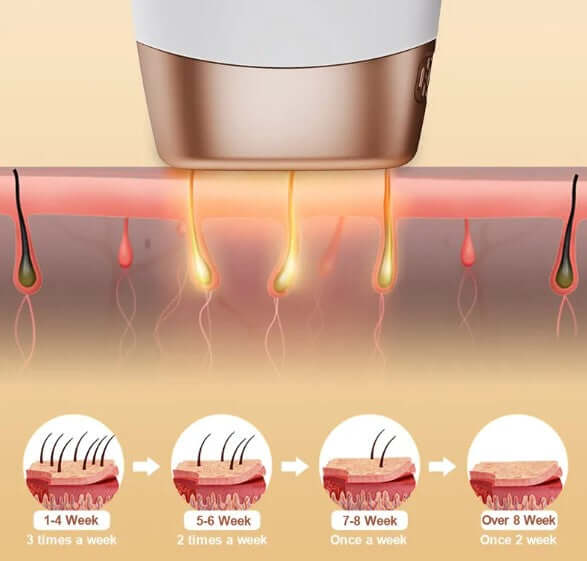
This is where IPL hair removal technology shifts the conversation entirely. Instead of dissolving hair at the surface, light-based devices target the melanin in the follicle, disabling the hair's ability to regrow over time. The difference between temporary removal and genuine reduction becomes obvious around the 8-week mark.
Sensitive Skin: The Formula Ingredients That Matter Most
If you've ever felt that telltale tingling that escalates to burning, you know the fear of trying a new hair dissolving cream legs product. Sensitive skin requires more than just a "gentle" label. The formulation matters, specifically what's been added to buffer the harsh active ingredients.
Modern formulas designed for sensitive skin typically include soothing agents like aloe vera, chamomile extract, and vitamin E. These aren't just marketing additions. They serve a functional purpose by neutralizing some of the irritation potential while the depilatory agents work. A good smooth leg treatment for sensitive types will have a pH between 9 and 12. Anything higher increases burn risk significantly.
According to expert reviews at Productreviewcrew, modern formulas like the Flamingo Body Hair Removal Cream are specifically designed for sensitive skin, balancing effective hair removal with ingredients that minimize adverse reactions.

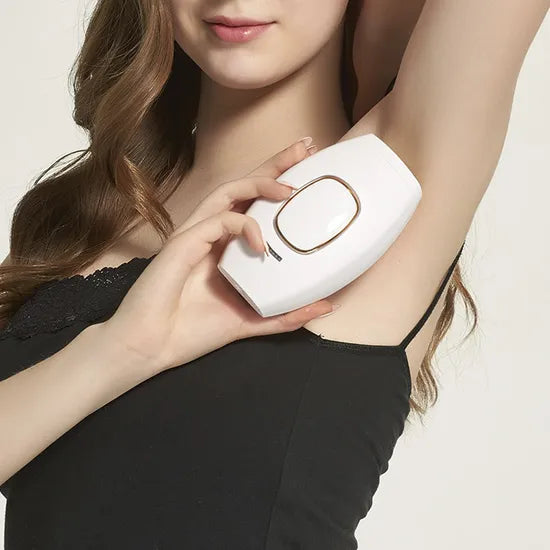
Patch testing isn't optional with these products. Apply a small amount to your inner ankle or behind the knee. Wait 24 hours. If you see redness, hives, or feel persistent itching, that formula is not for you. The same applies if you're considering underarm hair removal instrument options; sensitive skin needs careful product matching regardless of the removal method.
How to Apply Depilatory Cream for Maximum Coverage
Technique separates disappointing results from genuinely smooth legs. Most peopleapply cream hair removal incorrectly, leading to patchy outcomes or skin reactions.
- Start with clean, dry skin no lotions, oils, or residual sweat that could block cream contact
- Apply a thick, even layer using the spatula provided you should not see skin through the cream
- Work in sections from ankle to thigh, smoothing in the direction of hair growth
- Set a timer for the minimum recommended time, usually 5 minutes do not exceed 10 minutes
- Test a small area with the spatula; if hair doesn't wipe away easily, wait 2 more minutes
- Rinse thoroughly with lukewarm water and pat dry never rub or scrub the treated area
Common mistakes include spreading the cream too thin, skipping areas behind the knee and ankle, and using hot water to rinse. All three cause patchy removal or unnecessary irritation. If you find the process tedious or inconsistent, a portable laser hair removal device offers a different approach that doesn't require such precise application timing.

Cream vs Laser Devices: The Real Cost Breakdown Over 12 Months
Let's talk numbers. The upfront appeal of a $15 tube of depilatory cream is obvious. But cream vs laser legs comparison changes when you project over a full year. Hair growth cycles don't pause, and neither does your need for smooth skin.
A typical cream regimen requires repurchase every 4 to 6 weeks depending on how much surface area you're covering. At $15 to $30 per tube, that's $180 to $360 annually. Add the time investment: 10 minutes per application, twice weekly for maintenance. That's roughly 17 hours per year spent on hair removal.
| Timeframe | Cream Cost | Device Cost | Cream Time Invested | Device Time Invested |
|---|---|---|---|---|
| 3 Months | $45–90 | $92–300 (one-time) | 4.3 hours | 6 hours |
| 6 Months | $90–180 | $0 | 8.6 hours | 6 hours |
| 12 Months | $180–360 | $0 | 17.3 hours | 6 hours |
Device-based bestselling hair removal devices require a higher upfront spend but no recurring purchases. Sessions happen weekly for the first 12 weeks, then drop to monthly maintenance. Total time investment decreases while results improve. The crossover point where devices become more economical than creams typically falls around month five.
Coarse Hair on Legs: When Creams Hit Their Limit
Not all leg hair is created equal. If your hair diameter exceeds 70 microns, creams struggle. The chemical action works from the outside in, and thick hair shafts don't dissolve evenly. You end up with a tapered, broken tip rather than clean removal, which actually makes regrowth feel pricklier.
Coarse hair has more keratin density, requiring longer exposure time or higher chemical concentration. Both increase irritation risk. This is the ceiling of what at-home leg depilatory products can achieve.
Device energy penetration works differently. IPL and laser technology don't need to dissolve the hair shaft. They target melanin, converting light energy to heat at the follicle level. The hair diameter matters less than the pigment contrast between hair and skin. This is why rechargeable hair removal devices often succeed where creams fail on coarse, stubborn growth.
A hybrid approach sometimes works for those transition moments. Use a cream for thin, fine areas like the inner thigh while treating coarse calf and shin hair with light-based technology. This combination minimizes time investment while maximizing results across different hair densities.
The Science-Backed Alternative: IPL and Laser Technology
Let me explain why the tech-assisted approach works. Intense Pulsed Light devices emit a spectrum of light that melanin in your hair absorbs. That light converts to heat, damaging the follicle's ability to produce new hair. It's not instant removal. It's progressive reduction.
Modern IPL devices typically offer 500,000 flashes or more. At 15 flashes per square inch on legs, one device can treat your entire lower body multiple times over several years. Compare this to the endless repurchase cycle of topical products.
Clinical studies consistently show that regular IPL use reduces visible hair by 70 to 90 percent after 12 weeks. Some users achieve near-permanent reduction at the 6-month mark. Creams offer zero reduction. They remove surface hair but leave the growth mechanism entirely intact.
- Targets follicles directly, disabling regrowth at the source
- Works progressively results compound with each session
- No chemicals contacting your skin, eliminating burn and allergy risk
- Long-term cost savings offset the initial investment within months
This is the core of Lucravea's science-backed skincare solutions. When products work in tandem with technology, you're not just managing hair growth. You're treating it at the source.
Key Takeaways: Choosing Your Leg Hair Removal Method
Your decision comes down to usage patterns, skin sensitivity, and long-term goals. Quick fixes have their place. Travel, occasional events, or budget constraints make creams a reasonable option. But for regular users, devices offer something the best cream hair removal for legs cannot match: cumulative improvement.
- For travel and convenience: Creams work anywhere, no charging required, suitable for last-minute touch-ups
- For sensitive, reactive skin: Patch-test carefully; consider IPL as a chemical-free alternative
- For coarse or dense hair: Devices outperform creams significantly on thick growth
- For budget-conscious beginners: Start with one cream tube, test results, then evaluate device ROI
- For long-term smoothness: IPL devices provide 70–90% reduction vs. creams providing 0% actual reduction
Lucravea's curated facial and body hair removal tools include options designed for exactly this progression. Start where you are, then upgrade when you're ready for lasting results.
FAQ: Cream Hair Removal for Legs
Can I use depilatory cream on my legs if I've never tried one before?
Yes, but always patch test first. Apply a small amount to your inner ankle and wait 24 hours before full application. Most formulas recommend starting with the minimum time listed in the instructions, typically 5 minutes, to assess your skin's tolerance before extending duration.
Is depilatory cream safe to use on the bikini line area?
Only if the product specifically states it's safe for that area. The skin in the bikini zone is thinner and more sensitive than leg skin. Using a leg-specific formula can cause chemical burns or severe irritation in that region, so check the label carefully.
Should I apply hair removal cream before or after a shower?
Before showering works best for most users. Apply to dry skin, wait the recommended time, then rinse off in the shower. Avoid hot water immediately after treatment, as it can increase irritation. Lukewarm water rinse followed by gentle pat-drying is the safest post-removal approach.
Does depilatory cream hurt less than waxing?
Yes, significantly. Creams dissolve hair chemically without pulling, tugging, or stripping skin layers. Waxing physically removes hair from the follicle, which causes immediate pain and can leave skin red for hours. Creams may cause mild tingling, but they're considered one of the least painful removal methods available.
Will hair grow back thicker after using removal cream?
No, that is a persistent myth. Hair regrowth feels slightly different because the tip is blunt rather than tapered, but the actual diameter and growth rate remain unchanged. Creams don't affect the follicle itself, so they can't alter hair texture or thickness.
Is hair removal cream safe during pregnancy?
Consult your doctor first. While no conclusive evidence suggests harm, hormonal changes during pregnancy can make skin more sensitive and reactive to chemical exposure. Some healthcare providers recommend avoiding depilatories during the first trimester as a precautionary measure.
What if the cream has a strong chemical smell?
That sulfuric odor is normal for thioglycolate-based formulas. Modern products often add fragrances to mask it, but sensitive users may find both the chemical scent and added perfumes irritating. Look for fragrance-free options if you're prone to headaches or sensitivities.
How should I dispose of leftover cream and applicators?
Rinse applicators thoroughly and dispose of tubes in regular household waste. Avoid rinsing large amounts of cream down the sink, as the active ingredients can affect water treatment systems. Scrape excess product into a paper towel and throw it away instead.


